The End of Lease Checklist That Actually Matches What Gets Inspected
Most bond disputes come down to a handful of predictable spots. Here's what property managers are actually looking at.
We do a lot of end of lease cleans, and the pattern's remarkably consistent: it's rarely the obvious stuff — a dirty floor, an unmade bed — that costs people part of their bond. It's the spots everyone forgets because they're not at eye level or not part of a normal weekly clean. If you're doing this yourself, this is the checklist that actually matches what an inspector's looking for, not a generic "clean the house" list.
Kitchen and bathroom: the two that fail most often
Property managers consistently flag kitchens and bathrooms more than any other rooms, because they collect grease, mould, moisture and grime faster and more visibly than anywhere else in the house. Give these the most time.
- Oven — inside, racks, glass door (front and between the panes if it's double-glazed). This is the single most commonly missed item and one of the most visible when it's not done.
- Stovetop and rangehood filter — grease builds up on both and is obvious under inspection lighting.
- Inside cupboards and drawers — wipe every shelf, not just the visible fronts.
- Behind and underneath appliances where movable (fridge space, if the fridge is leaving with you).
- Bathroom grout and silicone sealant — mould here is one of the fastest ways to lose bond money. See our mould removal guide if it's established.
- Exhaust fans in the bathroom — genuinely, almost always overlooked, and genuinely, almost always dusty.
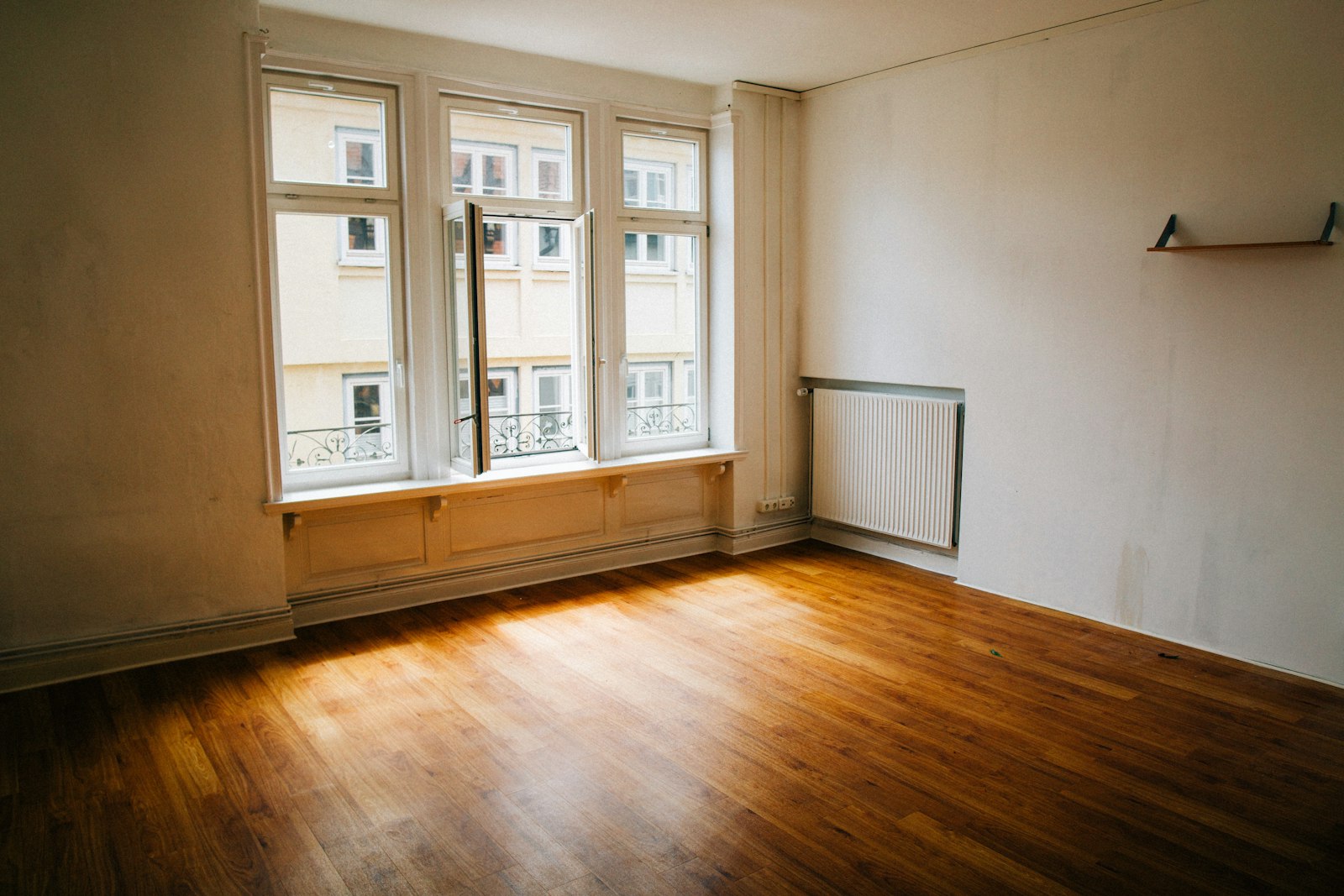
The spots almost every tenant forgets
- Window tracks — the grooves along the bottom of sliding windows collect dirt that's invisible until you're specifically looking, which the inspector is.
- Skirting boards throughout the whole property, not just the main living areas.
- Light switches, power points and door handles — small, but they show up under close inspection.
- Ceiling fans and light fittings — dust builds up on top of blades and inside fittings where it's not visible from a normal standing angle.
- Wardrobe interiors and shelving, including the tops of built-in wardrobes if they're within reach.
- Cobwebs in corners and around external areas like eaves, if that's part of your property's exterior.
Carpets and flooring
If you had pets during the tenancy, or your lease or entry condition report specifically requires it, professional carpet steam cleaning is usually expected — not a DIY rental machine. Keep the receipt; it's your proof if there's ever a dispute. Hard floors should be mopped throughout, including under furniture you're taking with you when you move it. See our full carpet cleaning guide for what a proper clean actually involves.
A realistic room-by-room order
- Kitchen: oven, stovetop, rangehood, splashback, cupboards inside and out, sink, benchtops.
- Bathroom(s): shower, bath, toilet, vanity, mirrors, exhaust fan, grout and sealant.
- Bedrooms and living areas: skirting boards, window tracks, wardrobe interiors, light fittings, walls (mark removal if needed), floors.
- Laundry: sink, machine seal (if the machine's staying), floor.
- Whole property: cobwebs, light switches, power points, door handles, final vacuum or mop of every floor.
- Carpets: professional steam clean, particularly if pets were present or your lease requires it.
Realistically, when to call it in
A full bond clean done properly is a genuinely big job — most people underestimate how long it takes, especially on top of the rest of moving. If you're weighing up your own time against the cost of a professional end of lease clean, it's worth factoring in what's actually at stake: a missed bond deduction dispute costs more in time, stress and often money than booking it done properly the first time. We match our checklist to exactly what property managers in Melbourne's inner north are inspecting against, which is the bit that's hardest to get right doing it yourself without having sat through hundreds of these inspections.
What are the most commonly missed spots in an end of lease clean?
Oven interiors, window tracks, skirting boards, exhaust fans, and inside cupboards and wardrobes come up again and again. They're not part of a normal weekly clean, so they're the spots that get missed even by tenants who genuinely tried to clean thoroughly.
Do I need professional carpet cleaning to get my bond back?
It depends on your lease and entry condition report. Many agreements specifically require professional carpet steam cleaning, particularly if pets lived in the property during the tenancy. Check your lease terms and keep the receipt as proof if it's required.
How long should I budget for an end of lease clean if I'm doing it myself?
For an average two-to-three bedroom property, budget a full day at minimum, longer if the kitchen or bathrooms need serious attention or the property hasn't had a proper deep clean during the tenancy. Most people underestimate this significantly.
We do this properly, every time, matched against the standard property managers actually inspect to.
Book a CleanSources: Real Estate Institute of Victoria inspection standards; general Australian tenancy end-of-lease cleaning guidance. Last checked July 2026. Requirements vary by state and by individual lease agreement — check your entry condition report and lease terms.